ilginç iş fikirleri

Tembeller için güzel sistem

Evde herkesin günlük ev

işlerini yapmaya üşendiği

zamanlar olur. Örneğin bahçedeki çimlerin

biçilmesi, ağaçların budanması, çocuk

bakılması, arabanın tamiri, evdeki musluk tamiri, sizin

adınıza birşeyin alınması, köpeklerin gezdirilmesi ve

bu liste uzayıp gidiyor. Aklınıza gelebilecek birçok

iş için bir tür ihale açıyorsunuz. Siteye kayıt

olup yaptırmak istediğiniz işi belirtiyorsunuz. Teklifler

gelince istediğinizi seçiyorsunuz. Para sitede

(escrow) emanette tutuluyor ve iş yapıldığı

onayı gelince işi yapana veriliyor. Bu sistem yakında

ülkemizde de yapılır umarım.


Detaylı
bilgiyi siteden bulabilirsiniz . www.domystuff.com

Domates te son nokta :)

Bir firma domatesi başaşağı üretebilecek bir saksı üretmiş. Bu saksı tavana yada daha doğrusu yüksek bir yere asılabiliyor ve domatesi erkenden toplayabiliyorsunuz.

  • Eğilmeden aramdan domates toplanabilir
  • Bu sistem salatalık, yada bazı çiçekler içinde çalışabilir
  • Domates yaklaşık 1 ay önce oluyormuş
  • Tellere gerek kalmıyor, yada zararlılar ulaşamıyor
  • Basit montaj, sadece verilen kancayı yukarı monte ediyorsunuz

daha detaylı bilgi için sitesine bakabilirsiniz http://www.gardeners.com/


Cep bahçesi- pocket garden

Su

geçirmez bir çanta içine gerekli tüm

kompost,

toprak ve tohumlar konmuş. Sizin yapacağınız

sadece gereği

kadar su vermek.

Bir poşet şeklinde çantayı alıp evinize gidiyorsunuz, açtığınızda kendisi saksı gibi durabiliyor. hoşunuza giden bir çiçek alabildiğiniz gibi isterseniz mutfağınızda gerekli bazı baharatları da alabilir ve yetiştirebilirsiniz.

Organik baharatlar ve çeşitli çiçeklerden oluşan farklı çeşitleri var.

Farklı bir hediye olması yanında bence posta ile de rahatlıkla gönderilebileceğini düşünüyorum.

Yeni bir ürün olarak güzel bir pazarlama tekniği.

Bu firma hakkında detaylı bilgi için http://www.thepocketgarden.com/

Hafızanızı güçlendirmek için 10 alıştırma

Hafızanızı basit alıştırmalarla güçlendirebilirsiniz. Kolaylıkla her yerde çok zaman harcamadan yapabileceğiniz bu 10 alıştırmayla güçlü bir hafızaya sahip olabilirsiniz.Uzmanlar düzenli uygulandığında çok başarılı sonuçlar elde edildiğini belirtiyor.

Ters el alıştırması: Sağ elinizi kullanıyorsanız, biraz da sol elinizi çalıştırmaya başlayın. Saçlarınızı sol elinizle tarayın veya çayınızı kaşıkla alışık olduğunuz yönün tersine karıştırın. Kalemi ters elinizle tutun. Biraz üreticiliğinizi kullanın ve daha neleri tersten yapabileceğinizi bulun. Tabii bulduklarınızı da hemen deneyin. Sonuç olarak, rutin alışkanlıklarınızı kırar ve beyninizin kullanmadığınız diğer yarısını da harekete geçirmiş olursunuz.

Çocuk oyunu alıştırması: İşe veya alışverişe giderken, tıpkı bir çocuk gibi merak içinde bütün duyularınızı harekete geçirin. Bakın, dokunun, dinleyin, koklayın. Çiçek açan ağacın kokusunu keşfetmeye çalışın. Fırında satılan taze ekmeklerin kokularını algılamaya çalışın. Yürüdüğünüz zeminin özelliklerini hissedin. Caddede duyduğunuz sesleri ayrıştırın. Yanınızdan geçen insanların tek tek konuşmalarını dinleyin. Evinizde gözlerinizi kapatarak bir yerlere ulaşmaya çalışın. Kısacası, duyularınızı alışık olmadığınız tarzda kullanın. Bu şekilde çok ender yaptığınız bağlantıları canlandırır, beyninizin kapasitesini arttırırsınız. Eğer bu yaptıklarınızdan zevk alır ve insan veya olayları detaylı algılamayı sürdürürseniz, hafızanız her zaman canlı kalmaya devam eder. Duyu organlarınızın ne kadar fazlasını kullanırsanız, unutmak istemedikleriniz o kadar sağlam kalır.

Harf alıştırması: Elinize bir gazete ve bir fosforlu kalem alın. Sırasıyla paragrafları okuyun ve çift yazılmış harflerin üzerini çizin. Örneğin, çift t ve m'lerin üzerini işaretleyin. Bir sonraki aşamada, kelime içinde birden fazla geçen harflerin üzerini çizin. Alıştırmayı yaparken, kelimelerin üzerinde fazla düşünmeyin ve hemen işaretleyin. Böylelikle konsantrasyon gücünüzün ne kadar uyarıldığını hemen hissedeceksiniz. Başarılı olma isteğiniz ve aldığınız zevk zihnin canlanmasını arttırır.

Polisiye alıştırması: ''Dün akşam şu saatte ne yaptım, neredeydim, iki saat önce ne yaptım?'' gibi, genellikle polisiye romanlarında veya filmlerinde sorulan soruları kendinize yöneltin. Ve tabii cevaplamayı da unutmayın. Bu alıştırma sonucunda yaptıklarınıza karşı dikkatinizi geliştirebilirsiniz. Ayrıca kısa hafızanızı da harekete geçirmiş olursunuz.

Yürüyüş alıştırması: Asker yürüyüşü gibi olduğunuz yerde hareket edin. Sol bacağınızı her kaldırdığınızda, önce sağ elinizle, sonra sol elinizle dizinize dokunun. Bu esnada o kadar esnek hareket edin ki, bacağınızı indirirken, kolunuz başınızın üzerine gelecek kadar yükselmeli. Bu hareketleri birkaç kez tekrarlayın. Bunu yaparken sadece kan dolaşımınız hızlanmaz, aynı zamanda koordinasyon yeteneğiniz de artar. Böyle çaprazlama hareketlerle beyninizin her iki tarafını kullanmış olursunuz.

Ressam alıştırması: Burnunuzun ucunda bir fırça olduğunu hayal edin. Bununla havaya en sevdiğiniz renkte yatay bir sekiz çizin. Bu hareketi gevşek ve dengeli yapın. Kendinizi Leonardo da Vinci veya sevdiğiniz bir başka ressamın yerine koyun. Bu çizim hareketleri, yorgun zihninizi hemen canlandırır. Aynı zamanda beyni bloke eden stresi etkili biçimde yok eder.

Ajan alıştırması: Bu alıştırmayı daha çok sokakta yapacaksınız. Çevrenizde bulunan arabaların plakalarına bakın ve plakadaki harflerden kelimeler, hatta cümleler türetmeye çalışın. Böylece, sadece sıkışık trafiğin eğlenerek çabuk geçmesini sağlamaz, aynı zamanda kelime hazinenizi geliştirir ve beyninizi canlandırırsınız. Bu alıştırma, acil plaka ezberlemeniz gerektiği durumlarda çok işinize yarayabilir.

Resim alıştırması: Bu alıştırmayla alışveriş listelerini çok kolay ezberleyebilir, hafızanızı güçlendirebilirsiniz. Bunun için kalem kağıt alın ve kağıdın üzerine bir tane mum, bir kuğu, üç kollu bir kaktüs, üç yapraklı bir yonca, beş parmaklı bir el, hortumunu yukarı kaldırmış bir fil, sola dalgalanan bir bayrak, saatli bir yumurta, sapının üzerinde duran bir pipo, davul yanında duran bir adam, iki deniz feneri ve bir saat çizin. Her resim bir sayıyı sembolize ediyor. Ardından sembolleri sayılara göre ezberleyin. Örneğin, mum biri, kuğu ikiyi, kaktüs üçü ifade ediyor. Bu sıralamaya hakim olduğunuzda, sembollere aklınızda tutmanız gereken bir listeyi koyabilirsiniz. Eğer bu bir alışveriş listesiyse, mumun süt şişesinin üzerinde durduğunu, kuğunun boynunda portakal filesinin asılı olduğunu hayal edebilirsiniz. Bu alıştırmayla, zihninizde listeler oluşturmayı daha kolay başarırsınız.

Otobiyografi alıştırması: Düşünün ki hayat hikayenizi tekrar yazmanız gerekiyor. Burada, işe gittiğiniz ilkokuldan başlayabilirsiniz. Bunun için en yakın arkadaşınızın kim, tipinin nasıl olduğunu hatırlamanız gerekiyor. Tabii sınıfınızın düzenini, görüntüsünü de. Ayrıca sınıfınızın penceresinden neler göründüğünüzü de hayalinizde canlandırmaya çalışın. Bu alıştırmayla, kişilerle ilgili hafızanızı harekete geçirirsiniz.

Hipnoz alıştırması: Özellikle stresli anlarınızda veya kaygıya kapıldığınızda olumlu kelimelerden destek almaya bakın. Bunlarla olumsuz düşüncelerinizi yok eder, hedeflerinize daha kolay ulaşmanızı sağlarsınız. Eğer önemli bir görüşmeden önce, hafızanızın sizi yarı yolda bırakacağından korkuyorsanız, her gün gözlerinizi kapatarak kendi kendinize tekrarlayacağınız bir cümle belirleyin. Örneğin, Benim için gerekli olan her şeyi biliyorum ve çok sakinim cümlesini tekrarlayabilirsiniz. Bu alıştınız. Ayrıca kısa hafızanızı hızlandırmada önemli olan, bunu her gün uygulamanız

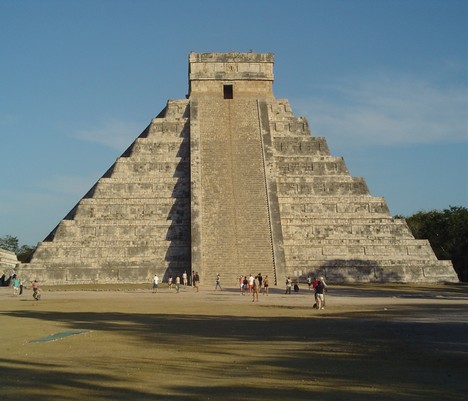
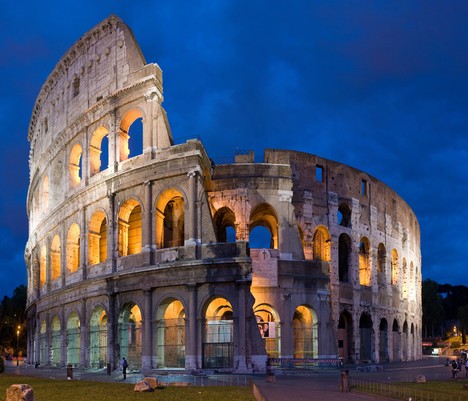
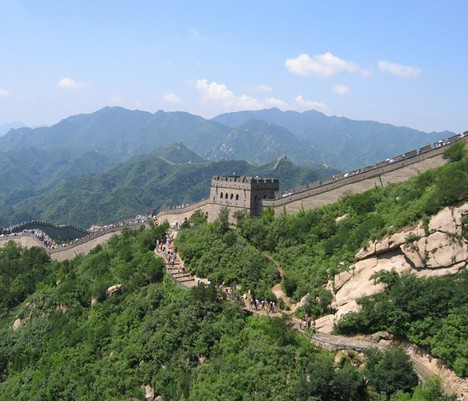
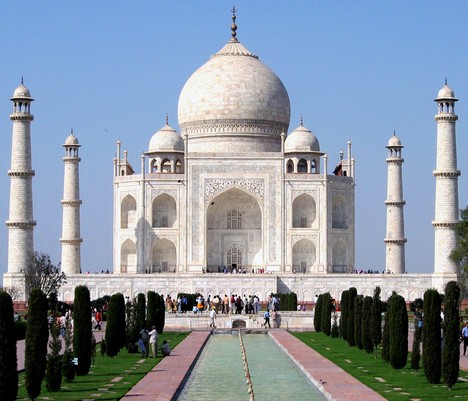
Dünyanın Yeni 7 Harikası


Chichen Itza – Yucatan, Meksika
İnanılmaz bir mimari varyantı ve arkeolojik veri zenginliği.


Kolezyum – Roma, İtalya
Halka açık olarak kullanılıyordu. Gladyatör olaylarını izlemek için gelen yaklaşık 50.000 kişiye ev sahipliği yapabiliyordu.


Maççu Piççu – Cuzcu, Peru
İnanılmaz bir görüntü ve çokça ziyaret edilip değer verilen bir mimari. Dünya miraslarından birisidir.


Christ the Redeemer (İsa Heykeli) – Rio de Janeiro, Brezilya
700 ton ağırlığında ve 396 m yüksekliğindedir.

Çin Seddi – Çin
Seri kumtaşlarından ve toprak bloklardan yapılmıştır. İnsan eliyle yapılmış en büyük yapıdır.


Petra – Ürdün
Taş yüzüne oyulmuş muhteşem bir sıralı yapı.


Tac Mahal – Agra, Hindistan
Bu yeni harika, inanılmaz beyaz kubbelere sahiptir ve şahane açık avlularla çevrilidir.

Garanti Belgesi ve Kullanma Kılavuzu'nda 'E-Belge' Dönemi

Sanayi ve Ticaret Bakanlığı, “Garanti Belgesi ve Satış Sonrası Hizmet Yeterlilik Belgesi”nde elektronik imza ve elektronik belge dönemini başlatıyor. Yürürlüğe giren uygulama 1 Ocak 2008'den itibaren zorunlu olacak, kağıt, zaman ve kaynak israfı önlenecek.

Uygulama ile, daha önce bir hafta olan bir ürüne ait Garanti ve Satış Sonrası Hizmet Yeterlilik Belgeleri'nin alınma süresi dakika lar içinde sonuçlandırılacak. 1 belge için 12 sayfa ve 48 paraf, “iş takibi” ücretleri, yılda ortalama 1 milyon adet kağıt israfı ortadan kalkacak.

Tüketiciler, aldıkları ya da alacakları ürünün garanti belgesinin güncel olup olmadığını internetten görebilecek, ürüne ait tanıtım ve kullanma kılavuzlarına internet üzerindeki www.sanayi.gov.tr adresindeki “Bakanlığımızda E-İmza dönemi başlıyor” butonundan ulaşabilecek.

Sanayi ve Ticaret Bakanlığı, Tüketicinin ve Rekabetin Korunması Genel Müdürlüğü tarafından çalışmaları yürütülen “Garanti Belgesi ve Satış Sonrası Hizmet Yeterlilik Belgesi” belgelendirme işlemlerinde, elektronik imza ile online olarak internet üzerinden gerçekleştirilmesine ve elektronik belge üretilmesine yönelik uygulama tamamlanarak ilgili yönetmelik, Resmi Gazete'de yayımlanarak yürürlüğe girdi.

1 Ocak 2008 tarihinden itibaren zorunlu hale gelecek uygulama, üretici ve ithalatçıların uyum sağlamalarını teminen bugünden itibaren de elektronik olarak gerçekleştirilebilecek.

Yönetmelikle getirilen değişiklikleri değerlendiren Sanayi ve Ticaret Bakanı Zafer Çağlayan, konu üzerinde uzun süredir yoğun olarak çalışıldığını belirterek,

    Bu gün itibariyle gerçekleştirilen e-imza ile ilgili çalışmalarımız, e-imzanın sadece başvuru sırasında kullanılması ile sınırlı değildir. Bürokrasi süreçlerinin en önemli öğesi olan, paraf ve imzanın da yerine geçmesi ve bütün süreçlerin tam olarak elektronik ortamda gerçekleştirilmesi sağlanmıştır. Bürokratik işlemler dakikalar bazında gerçekleşecek ve posta yolunu gözleme artık son bulacaktır. Gerek firmalara, gerekse tüketicilere zaman ve mekandan bağımsız hizmet verebilme imkanı sağlanacaktır. Bakanlığımız, sürecin tamamını elektronik ortamda gerçekleştirilmesini sağlayarak, bir ilke imza atmıştır.

dedi. Yönetmelik ile her ürün için garanti belgesi istenmesinin söz konusu olmadığını, hangi ürünlerin garanti belgesi ile satılmak zorunda olduğunun, yönetmeliğin kapsam başlıklı 2. Maddesine ekli listede yazan sanayi malları ile sınırlı olduğunu kaydeden Bakan Çağlayan, bu listeye de bakanlığın internet adresi üzerinden ulaşılabileceğini ifade etti.

Sanayi ve Ticaret Bakanı Zafer Çağlayan 'ın verdiği bilgilere göre, Elektronik İmza ve e-belge uygulaması şu yenilikleri getirecek:

Üretici ve ithalatçılara

  • 1 belge için 12 sayfa, 48 adet kağıt paraflanıyor veya imzalanıyor.

  • 2006 yılında 9 404 adet belge, 18 000 model ilavesi ve liste değişikliği için 1 315 200 adet imza veya paraf atıldı,

  • 1 başvuru için geçen süre 7 gün olup elektronik imza ile bu süre dakikalar içinde sonuçlandırılarak zaman kaybı ortadan kaldırılacak ve bürokrasi minimum seviyeye düşürülecektir.

  • Şirketler, e-imza teknolojisine ayak uyduracaktır. Diğer e-devlet işlemlerinde bu deneyimi kullanabilecektir

  • Tüm belge ve bilgilerin elektronik ortamda saklanması sonucu iş yükü azalacak, daha kaliteli ve masrafsız hizmet verilmiş olacaktır.

  • 2006 yılında bu işlemler için yaklaşık 1,000,000 adet kağıt kullanılmıştır.

  • İmalatçı veya ithalatçı firmalar; 2006 yılında 2,800 adet satış sonrası hizmetleri yeterlilik belgesi başvurusu yapmış olup başvuruların her birinde ortalama 15 adet TSE hizmet yeri yeterlilik belgesini (toplam 42,000 ) ve her iki belge için imza sirküleri tasdiki dahil 52,000 adet belgeyi noterlere tastik ettirmiştir.

  • Ortalama noter masrafının 50 YTL olacağı düşünüldüğünde, 2006 yılında içinde, firmalar tarafından ödenen noter ücretinin en az 2,600,000 YTL seviyesinde olduğu tahmin edilmektedir.

  • İmalatçı ve ithalatçı firmaların, iş takibi adı altında ödedikleri ücretlerin her bir belge için binlerce YTL ve toplamda milyonlarca YTL olduğu tahmin edilmektedir.

  • Bu ücretlerin büyük bölümü kayıt dışı olduğundan, miktarının tam olarak belirlenmesi de mümkün olamamaktadır.

Tüketicilere;

  • Belgelendirilen ürüne ait tanıtma ve kullanma kılavuzları internetten yayınlanacak, tüketiciler istedikleri anda internet üzerinden ulaşabilecekler ve sorgulama ile doğrulama yapabilecekler

  • Tüketiciler güncel belge ve servis istasyonu bilgilerine ulaşabileceklerdir.

Kamuya;

  • Bilgi ve belgelerin elektronik ortamda gerçekleştirilmesi suretiyle 5070 sayılı elektronik imza kanunu´nun iyi uygulama örneği diğer kamu kurum ve kuruluşları ile de paylaşılacak ve e-Devlet uygulamaların yaygınlaştırılmasına katkı sağlayacaktır.
  • Proje Yönetimi için Bağlantılar

    http://www.pmi.org

    http://www.prince2.org.uk

    http://www.ipma.ch/

    http://www.iappm.org

    http://pmhub.net


    http://careers.allpm.com/

    http://www.pmforum.org/


    http://www.projectmanagement.com/

    http://www.risksig.com/

    THE ONE-MINUTE PROJECT MANAGER

    By Frank Greenwood, PMP
    [copyright by Frank Greenwood, 2001]
    INTRODUCTION
    Converting a punched card information system into a computerized system on NCR's
    first computer, the Century 100, was the author's earliest project. Lacking project
    management training, mistakes were made and scar tissue was created. The lesson:
    Project management training can improve your productivity quickly and permanently.
    Also, mid-level management positions are being cut. Project managers are a new
    class of managers filling the vacancies. Expertise in project management is a source
    of power for these survivors. Projects are the building blocks for realizing
    organizational strategies.
    Project management goes back before the pyramids in the construction industry.
    Recently, weapons development and the Channel Tunnel [England/France] relied on
    it, as have space exploration projects. A project is a temporary endeavor undertaken
    to create a unique product or service. Project management is the application of
    knowledge, skills, tools and techniques to project activities in order to meet or
    exceed stakeholder needs and expectations. [Stakeholders are individuals and
    organizations involved in, or affected by, project activities.] Defining characteristics
    include 1:
    Projects are organized by tasks requiring an integration across the traditional functional structure
    of the enterprise.
    Unique authority-responsibility-accountability relationships arise when a project is managed
    across the traditional elements of the organization.
    A project team is a unique organizational unit dedicated to delivery of project results on time,
    within budget and within predetermined technical specifications.
    While “one size fits all” does not apply, since there is no “one way”, a definition of
    the discipline has emerged, as follows:
    First, project management is how you achieve/manage change. Second, this change
    is achieved via six processes: Initiating, Planning, Executing, Controlling, Closing and
    Professional Responsibility. Third, during these processes, a changing mix of nine
    knowledge areas is employed: Integration, Scope, Time, Cost, Quality, Human
    resources, Communications, Risk and Procurement. This definition [which is
    embraced by the Project Management Institute, PMI], is the subject of the rest of this
    publication. PMI's Certification Program Department became the first such
    Department worldwide to attain ISO 9001 recognition in 1999, which supports the
    view that this approach is accepted and legitimate.
    Project management can be used for personal goals, such as building a house, getting
    married, and moving to a new location. In the working world, it is used for changes
    such as reengineering, benchmarking and improving processes and products. Most
    organizations realize shorter development times, lower costs, higher
    quality/reliability and improved return on investments from its use.
    Projects have definite beginnings and endings, a life cycle. The project life cycle is
    broken into the above six broad processes: Initiating, Planning, Executing,
    Controlling, Closing and Professional Responsibility. Where you are in this life cycle
    determines what you should be doing and what options are open to you.
    THE PROJECT MANAGEMENT FRAMEWORK
    PROJECT INITIATION
    It is seldom easy to know when the old way of doing things is no longer effective.
    That is, new needs are not easy to define. But, when they emerge, a feasibility study
    is typically undertaken to determine if the needs are legitimate and if they should be
    realized---before significant resources are committed. This requires, among other
    things, that the needs, the product/service description, have to be specified. If the
    decision is then to proceed with an in-house project, a charter is issued by senior
    management providing the project manager with authority to apply organizational
    resources to project activities 2. [If the work is to be hired out, then a letter of
    engagement would be prepared.] A project manager is appointed and management
    responsibilities are sorted out.
    PROJECT PLANNING
    Diving right in, making assignments and solving problems is a natural tendency. But,
    taking time at the outset carefully to think about what you are trying to do, how,
    when, and by whom, characterizes successful projects. One of these early tasks is
    defining the customer's needs. It is normal that the customer does not recognize his
    needs and cannot articulate them. Moreover, needs will almost certainly change as
    the project moves forward. Yet, needs are the driving force of the project.
    Guidelines for specifying needs include 3
    Rule 1: State the requirements explicitly and have project staff and customers sign off on it.
    Rule 2: Be realistic; assume that, if the requirement can be misinterpreted, it will be.
    Rule 3: Be realistic; recognize that there will be changes to your project and things will not
    go on precisely as anticipated.
    Rule 4: To as great an extent as possible, include pictures, graphs, physical models and other
    nonverbal exhibits in the formulation of requirements.
    Rule 5: Establish a system carefully to monitor any changes made to requirements.
    Rule 6: Educate project staff and customers to the problems of specifying requirements.
    Scope, the sum of products and services to be provided by the project, also needs
    careful attention. For example, a written scope statement has to be developed that
    includes the project justification, the major deliverables and the project objectives.
    These major deliverables need to be decomposed into smaller, more manageable
    components to provide better control. Scope change control also has to be put in
    place early, covering: submission of change requests, their evaluation, incorporating
    the approved changes in the plan and monitoring progress.
    Activity definition is next, whereby the specific activities that must be performed in
    order to produce the project deliverables are specified. Their sequencing and
    duration are determined, producing a schedule. Resources required are now
    estimated and costs can be assessed.
    Planning is also needed for:
    · Project communications, who should get what data, when.
    · Quality, identifying quality standards relevant to the project and determining
    how to satisfy them.
    · Risk, determining which risks are likely to affect the project and deciding how
    to handle them.
    · Procurement, deciding what to procure, when.
    · Organization, identifying, documenting and assigning project roles,
    responsibilities and reporting relationships.
    All these planning pieces are now put into one consistent, coherent project plan
    which will guide the execution and control of the project. It documents the
    assumptions and constraints, as well as the scope, cost and schedule baselines.
    [Baselines are the original plans, plus or minus approved changes; e.g., cost-baseline,
    schedule baseline.]
    PROJECT EXECUTION
    Project managers have considerable responsibility accompanied by very limited
    authority; but, their job is, nevertheless, to get the project done on time, within
    budget and according to specifications. Being so scarce, authority merits careful
    consideration. Sources include the following, which, at various times under certain
    circumstances, can be called into play:
    · Bureaucratic, based on knowledge of how the organization works. [Learn how
    it works and then work the organization.]
    · Charismatic, the natural born leader. We do not here mean the self-appointed
    “natural born leader”, but the individual so regarded by associates.
    · Purse string, the “golden rule”, as in: “He who controls the gold makes the
    rules”.
    · Competence, built up over time, based on managing successful projects.
    · Formal, that which is specifically delegated to the project manager.
    · Expert, based on technical knowledge.
    Also part of project management is the project team. Normally on loan from one of
    the functional departments, and probably working on several jobs at once, these
    individuals have multiple bosses. The project manager depends directly on them to
    do the project work, while these people may not see themselves as his/her “team”.
    Accordingly, how to build a team merits careful thought, too. Techniques include:
    working in the same physical area, participation in decisions, well-run meetings,
    naming the team and structuring rewards. Rewards might involve 4:
    · Job assignments
    · Letters of commendation
    · Public recognition for good work
    · Flexible work time
    · Job-related perquisites
    · New equipment
    · Commendation for cash awards and bonuses
    The project manager leads the project, executing the project plan. In doing so, he
    draws on his knowledge of:
    · The application area, such as information systems,
    · General management [i.e., it is getting things done through others via
    planning, organizing, staffing, directing and controlling], and
    · The practice of project management, which is covered herein. Please note
    that many project-related decisions contain considerable uncertainty, which
    has to be tolerated.
    Some ninety percent of his time is devoted to communication. This goes smoother if
    there is willingness to listen. People will talk more freely when the other will listen.
    But, listening only for the “facts” and ignoring hidden meanings can be self-defeating.
    Also, information acquisition and distribution, the who-gets-what-when [as in status
    reports and forecasts], require attention.
    As the project moves along, work products have to be reviewed to make sure they
    were completed satisfactorily. This involves both acceptance and correctness of the
    work.
    A large number of projects are carried out under contractual arrangements. This
    requires soliciting bidders interested in the project and picking the winner. The
    winner will favor the decision, but the losers may express their displeasure high up
    the hierarchy, so evaluation of bids will be reviewed. Someone, perhaps the project
    manager, then has to administer the contract. This involves a whole list of matters,
    such as: changes, specifications, and quality, payments and project closeout. In
    some cases, the primary contractor may work with sub-contractors. Hence, the
    ultimate customer could be outside of the performing organization, complicating the
    already complex situation.
    PROJECT CONTROL
    Planning and control are opposite sides of the same coin. We are not here interested
    in power, command and domination. It is the feedback idea that applies: compare
    where you are supposed to be with where you actually find yourself and take
    whatever action is indicated. You are, therefore, monitoring variances. The
    applicable question is: “Can we live with this variance?” The “exception principle”,
    that the project manager gives his attention only to those variances, which are
    unacceptable, those that cannot be tolerated, has been helpful to many.
    It is easy to write about a change control system. It is a set of procedures explaining
    how official project documents can be changed. It includes the paperwork, tracking
    systems and approval levels necessary for authorizing changes. A Change Control
    Board is often created to approve or reject change requests. Certain types of changes
    often are defined as getting automatic approval.
    The difficulty is that the customer seldom knows what he needs. After much research
    and negotiation, his needs are documented and approved. Very soon, he “requests”
    changes. The necessity to pay for them is less clear as is his understanding of how
    they would impact other parts of the project. This “scope creep” continues for the
    length of the project. Apart from early retirement, a good solution is to document
    the change control system and have it approved as soon as possible. Then, stick to it
    [which is the part that is much easier said than done].
    There is a general rule that holds some 80 percent of certain things are caused by
    about 20 percent of those things. For example: 80 percent of your sales are made by
    20 percent of your sales people; 80 percent of the value of your inventory is made up
    by 20 percent of the items; 80 percent of your personnel problems come from 20
    percent of the employees; or 80 percent of your project problems come from 20
    percent of your stakeholders. This suggests that you want to define what are the
    factors making up that 20 percent and then keeping a close eye on them.
    PROJECT CLOSING
    There comes a time in every project when you shoot the engineers and release the
    product. The main questions at closeout are: “Was all the work completed
    properly?”, and “Have we updated our records, documenting results and lessons
    learned for future use?” [Premature cancellation is a special case.] Related concerns
    usually include 5:
    · Turnover to the client always requires formal acceptance, probably including training and a
    post-project review.
    · Clearing all bills and final charges, closing the project books.
    · Confirming that all tasks have been done, probably holding back 5 or 10 percent of the
    contracted amount until satisfied.
    · Finding homes for team members temporarily assigned to the project.
    · Conducting a post project review with your team to document lessons learned.
    · Giving credit to your team via formal recognition and celebrating the project conclusion.
    PROFESSIONAL RESPONSIBILITY
    What we are talking about here is knowing what has to be done, how and when to do
    it, and, most critical, how to deal with those who will get it done. Often, also
    involved is adherence to legal and ethical standards. Such concepts as the following
    can matter: “breach” [the failure to perform a contractual obligation], or “implied
    warranty” [the deliverable will have a level of quality so it is fit for its intended use],
    or “waiver” [one party's relinquishment of his rights under the contract can occur
    from lack of enforcement of those rights]. Conflict resolution techniques come under
    this heading, too. “Confrontation” is favored, meaning that you confront the problem
    [not the individual], gathering facts and discussing alternatives before agreeing on a
    solution. Sources of conflict might be: priorities, methods, schedules or resources.
    Conflict is to be expected in project work, so learn how to define it, collect facts,
    analyze what is happening and agree on what to do. This may require balancing
    stakeholders' interests; that is, exercising judgment to determine a fair resolution.
    Embracing diversity of the cultural and ethnic norms of the stakeholders requires
    effective communication, tolerance and compromise. For example, during the early
    1900s in the US, the WASPs tended to control much. White/Anglo Saxon/Protestant
    males frequented management positions. In the 21st century, Women, Blacks,
    Hispanics and Asians are emerging into senior positions. Accordingly, one must
    embrace diversity to achieve a collaborative project management environment.
    THE PROJECT MANAGEMENT KNOWLEDGE AREAS
    Project management is composed of three basic ideas:
    1. Project management is how you achieve/manage change.
    2. This is accomplished via a framework of six processes, as discussed above:
    Initiation, Planning, Execution, Control, Closing and Professional Responsibility.
    3. As you work through these six processes, you employ a changing mix of nine
    knowledge areas, discussed below: Integration, Scope, Time, Cost, Quality,
    Human Resources, Communications, Risk and Procurement.
    INTEGRATION
    Here, we are concerned that the project elements will be coordinated 6. Plan
    Development, Plan Execution and Overall Change Control are the main project tools:
    · Planning, integrating and coordinating project plans to create a consistent
    document;
    · Executing, carrying out the plan; and,
    · Controlling change, coordinating changes across the whole project.
    The main management tool is understanding that management is the art of getting
    things done through people, whose efforts are coordinated by: planning, organizing,
    staffing, directing and controlling their activities.
    Overall change control is often defined very early, in the project charter. How
    changes will be submitted, how accepted/rejected, methods of documentation and of
    monitoring are some of the factors that need written approval. Changes can be
    expensive, can impact on unexpected parts of the project and can derail it
    completely, if not handled professionally.
    Your integration efforts are measured by these four:
    · Cost, within budget?
    · Time, on schedule?
    · Quality, conforms to specifications?
    · Scope, every expected function/feature completed?
    SCOPE
    “Scope” is the sum of products and services to be provided by the project. You are
    probably facing this: Fuzzy in customers' minds at the start, a moving target as work
    progresses and difficult to confirm at the end. This suggests the importance of
    carefully defining and agreeing on customers' needs at the start, producing written
    concurrence. As noted above, to protect against “scope creep”, you need a written,
    approved change management procedure very early, perhaps in the charter. [Then,
    sticking to this procedure is much easier said than done.] Verification at the end is
    simplified if there are metrics defined early, in the plan, by which later to measure
    the acceptance of deliverables.
    Scope defines who and what are include [or excluded]. Which groups/locations/jobs
    will have workloads impacted by your project? Does it affect other projects? These
    become clear as the Work Breakdown Structure [WBS] is developed. It is a
    deliverable-oriented grouping of project components that organizes and defines the
    total scope. Work not in the WBS is beyond the project scope. One approach is to
    decompose the work into tasks [work packages] that can be done in 80 man-hours,
    assigning each to a specific individual, with an estimated cost and schedule. Every
    item on the WBS has a unique identifier, allowing for a summation of costs and
    resources. That is, the WBS is a top-down formulation of how project tasks fit into
    the project structure. The WBS is the basis of the project schedule, which shows the
    work sequence and when tasks start/finish.
    TIME
    Project time management is concerned with timely completion of the project, for
    which the major processes are:
    · Activity definition, identifying the specific activities that must be performed;
    · Sequencing, defining interactivity dependencies;
    · Duration, estimating the number of work periods needed for individual
    activities;
    · Schedule, creating the schedule; and,
    · Control, controlling changes to the schedule.
    Starting with your WBS, make separate sticky notes for each work task [or individual
    magnetized labels, if using a magnetic board]. Move them about until in the proper
    order, in terms of the immediate predecessor for each activity. There can be just
    one label for “start” and one for “finish”. All your tasks must fit between these two.
    Every task must be connected to other tasks or to the “start” or “finish” labels. Tasks
    with several predecessors require that much be finished before they begin. Once your
    labels are arranged, draw arrows to show the flow [often some work can be done
    concurrently with another task; i.e., parallel arrows]. For now, you are just
    illustrating the relationships among the tasks, without worrying about time estimates
    or whether your network is to scale.
    Once your network is acceptable, forecast the person-hours and time elapsed to
    complete each task. Sickness, vacations, downtime, and shipping problems are some
    delays you want to allow for. This will produce beginning and ending times for each
    task. Adjust start dates for tasks that can begin before their predecessors are
    finished. Once you get your network approved, you can plot actual progress to
    monitor your project. Software use is popular, as noted elsewhere.
    COST
    The cost estimate, usually coordinated with the work breakdown structure, normally
    includes the following:
    · Direct costs: personnel, materials, contracts [i.e., hiring it done] and support
    [travel, training, etc.]; and,
    · Indirect costs: fringe benefits [holiday pay, medical benefits, etc.], overhead
    [heat, light, etc.] and administration [e.g., cost of administering the human
    resources function, such as payroll].
    · The budget is the aggregate of all these costs and probably includes a profit for
    the project. Time-phased to show the expenditure rates by categories, it is
    both a planning and control tool. As work is done and expenses are incurred,
    the budget is reduced by these costs. Variances between actual and planned
    expenses are analyzed. Large government and private projects are beginning
    to use the earned value approach to costs, which is summarized elsewhere.
    QUALITY
    First, we will deal with the quality of project management.
    W. Edwards Deming devoted his career to quality improvement in processes, much of
    it in Japan after WW II. He showed that some 85 percent of quality problems require
    management to change the process. Only about 15 percent can be controlled by the
    people actually working in the process. His 14 rules for improving the quality of
    processes are widely available. They apply to processes such as: creating invoices to
    bill customers and manufacturing parts for an assembly. That is, the processes that
    produce project deliverables are subject to these concepts. Mostly, workers cannot
    do their best unless management does its part, which is making improvements
    happen.
    Most of us do the best we can most of the time. It is management's job to create an
    environment where that happens. Teams, flattened organizations, and empowered
    employees are all facets of management's function of supporting employees. This
    function is driven by the need to satisfy customers and by the complexity of the work.
    Individuals on the firing line need to be responsive to customers [there is little
    tolerance of their going up and then back down the hierarchy to provide answers].
    That manager's should support, rather than direct, the project team is driven by the
    complexity of projects, where no one person has the sagacity to know all the answers
    in dynamic environments. Those closest to the work are best placed for making many
    decisions.
    We are here dealing with the quality of project management.
    Insofar as project management is a process, that process is subject to the methods of
    improving process quality that Deming encouraged.
    Now, for the quality of the deliverables.
    As noted, planning and control are opposite sides of the same coin. When the
    planning is done, it should be agreed how the quality of the deliverables is to be
    determined. These metrics have to be defined and tested to make sure they do
    indeed measure what is intended. [This presumes that the tough matter of defining
    customer needs and, hence, the deliverables has already been done]. Monitoring the
    creation of the deliverables with respect to their quality also needs definition during
    the planning.
    HUMAN RESOURCES
    Projects are complex, temporary endeavors having beginnings and endings. They
    coordinate interrelated activities. Their goal is to achieve the job on time and within
    cost, while meeting the requirements.
    They tend to be unique. These characteristics mean that there is a temporary project
    manager and that his staff is loaned by the other functions.
    The main ways of organizing projects are:
    · Functional, a structure wherein staff is grouped hierarchically by function, such
    as marketing, engineering and accounting. Functional managers assign
    priorities and direct the work of their subordinates. Traditional organizations
    are typically so organized.
    · Projectized, the project manager has full authority to assign priorities and to
    direct the work of individuals assigned to the project. Aerospace/defense
    firms, working mostly for the government, tend to manage their larger
    contracts this way.
    · Matrix, the project manager and functional managers share responsibility for
    assigning priorities and for directing the work of individuals assigned to the
    project. Matrices are used by companies with considerable project
    management experience.
    · Staff acquisition begins with knowing what skills are needed, when.
    Experience, interests and availability all come into play. Staff may be assigned
    full-time, part-time or variably, depending on needs. If there are no in-house
    people available, procurement may be necessary.
    Individuals assigned to a project may rotate in and out as needed, often having
    multiple other obligations. Loyalties probably are strongest with regard to their home
    bases. How, then, can the project manager build a team spirit? Techniques include:
    · Kickoff meeting,
    · Collocation,
    · Name the team,
    · Training,
    · Rewards and
    · Being supportive and accessible, taking an interest in the individuals.
    COMMUNICATIONS
    Most project managers spend about ninety percent of their time communicating in
    some fashion: selling, explaining to outsiders, solving problems, resolving conflicts
    and negotiating with contractors, for instance.
    Barriers to communication are legion: cultural and language differences, distance,
    and technical terms, for example. Attitudes can be deadly, too, as in: “We tried
    that; it won't work”; “You'll never get it approved” and “That's not how we do things
    here”.
    Barriers may lead to conflicts, and so deserve attention. Listening for facts and
    attitudes is critical, as the reader knows. Learning how things look to the other
    fellow provides insight and understanding. Another wise approach is never to allow
    your senior management to be surprised.
    The Project Management Institute says that communication has four major
    processes 7:
    · Planning, who needs what information, when and how provided;
    · Distribution, making the needed information available in a timely manner to
    stakeholders;
    · Performance reporting, e.g., status reports, progress measurements and
    forecasting; and,
    · Administrative closure, generating, gathering and disseminating information to
    formalize phase or project completion.
    RISK
    A risk is the probability that some event will negatively impact the project's goals.
    Asking: “What could go wrong?” is a good start. Risks are usually against costs,
    schedules or technical goals. Technical risks are normally addressed first [since they
    usually impact on costs and schedules].
    Risk management identifies, analyzes and responds to project risks, involving these
    processes 8:
    · Planning the risk management activities;
    · Identifying possible risks and defining their characteristics;
    · Analyzing them to prioritize their impacts and to estimate their probabilities
    and consequences;
    · Planning responses to reduce the threats; and,
    · Monitoring and controlling risk factors throughout the project.
    PROCUREMENT
    Often, goods and services have to be acquired from outside organizations. This means
    the project manager must understand the basics of negotiating and administering
    contracts, which include:
    · Planning, what will be needed, when;
    · Solicitation planning, the requirements and their possible sources;
    · Solicitation, obtaining quotations, bids, offers or proposals;
    · Source selection, picking from the potential sellers;
    · Contract administration, managing the relationship with the seller; and
    · Contract closeout, completion and settlement of the contract, including any
    open items.
    This is a technical, legal topic which is large and complex. There may be practices in
    your industry [e.g., construction, government contracting] that do not apply to all
    categories of projects. We urge getting appropriate expertise where indicated. To
    illustrate: Do you and your team know about warranties, indemnities and liabilities
    for negligent behavior that apply in your contract(s)?
    CONCLUSION
    JOB DESCRIPTION: A very important position, with many hidden facets, largely
    unrecognized by your management. Heavy responsibilities, small authority. Crucial
    dependence on borrowed, temporary [disinterested?] staff. Frequent conflicts.
    Fuzzy, changing goals. Messy reporting relationships. Unremitting challenge, so very
    frequently you begin again on a new project.
    Why take such a very tough, extremely demanding job? Because, although project
    management is all of the above and more, it is the best way to achieve/manage
    change. It offers you the opportunity to get general management experience quickly,
    to make important contributions and to show what you can do.
    Please do not back into project management without training, as many of us have.
    This publication lays out the basics, so readers will understand what they are dealing
    with and how to go about it.
    This knowledge separates the successes from the failures.
    FOOTNOTES
    1 “The Project Manager”, Harvard Business Review, May-June, 1959.
    2 Many definitions herein, such as “charter”, are from the Project Management Institute's, “A Guide to
    the Project Management Body of Knowledge,” 1996.
    3 J. Davidson Frame, “Managing Project in Organizations,” Jossey-Bass, 1995, revised edition, p. 150.
    4 J. Davidson Frame, “Managing Projects in Organizations,” Jossey-Bass, 1995, revised edition, p. 103.
    5 Frank Greenwood, “Meeting the Challenge's of Project Management, A Primer,” ESI International,
    1998, p. 36.
    6 Throughout, we rely heavily on ideas from: “A Guide to the Project Management Body of Knowledge
    [PMBOK Guide],” Project Management Institute, 2000 Edition. In the case of the integration material,
    we use material from p. 41.
    7 PMBOK, p. 117.
    8 PMBOK, p. 127.

    Proje Yönetimi Sözlüğü

    Activity
    An activity is an individual task needed for the completion of a project. It is the smallest discrete block of time and resources typically handled by PM software. It is a single task which needs to be done in a project. Multiple activities are related to each other by identifying their immediate predecessors. Solitary activities, which have no predecessors or successors, are allowed. Activities can also be called work packages, tasks, or deliverables.

    Aktivite
    Aktivite bir projenin tamamlanması için gerekli bireysel görevdir. Proje Yönetimi yazılımı tarafından ele alınan en küçük zaman ve kaynak bloklarıdır. Aktiviteler birbirleri ile öncülleri tanımlanarak ilişkilendirilirler. Aktiviteler iş paketleri, görevler ve teslimatlar olarak da adlandırılırlar.

    Activity Duration
    Activity duration specifies the length of time (hours, days, weeks, months) that it takes to complete an activity. This information is optional in the data entry of an activity. Work flow (predecessor relationships) can be defined before durations are assigned. Activities with zero durations are considered milestones (milestone value of 1 to 94) or hammocks (milestone value of 95 to 99).

    Aktivite Süresi
    Aktivite süresi, o aktiviteyi tamamlamak için gereken zamanın uzunluğunu (saat, gün, hafta, ay) belirtir. İş akışı (öncülleri belirlenerek ilişkilendirilmiş aktiviteler), aktivitelere süreler atanmadan tanımlanabilir. Süresi 0 (sıfır) olan aktiviteler kilometre taşı (değerleri 1-94) ya da hamak (değerleri 95-99) olarak adlandırılırlar.

    Actual Dates
    Actual dates are entered as the project progresses. These are the dates that activities really started and finished as opposed to planned or projected dates.

    Gerçek Tarihler
    Gerçek tarihler, proje ilerlerken girilir. Bu tarihler, planlanan tarihlere gore aktivitelerin gerçekten başlayıp bittiği tarihlerdir.

    Baseline Schedule
    The baseline schedule is a fixed project schedule. It is the standard by which project performance is measured. The current schedule is copied into the baseline schedule which remains frozen until it is reset. Resetting the baseline is done when the scope of the project has been changed significantly. At that point, the original or current baseline becomes invalid and should not be compared with the current schedule.

    Temel Proje Zaman Çizelgesi
    Temel çizelge sabit proje zaman çizelgesidir. Proje performansının ölçüldüğü bir standardtır. Projenin kapsamında önemli bir değişiklik olursa temel çizelge yeniden oluşturulur.

    Calendars
    A project calendar lists time intervals in which activities or resources can or cannot be scheduled. A project usually has one default calendar for the normal work week (Monday through Friday), but may have other calendars as well. Each calendar can be customized with its own holidays and extra work days. Resources and activities can be attached to any of the calendars that are defined.

    Takvimler
    Proje takvimi içerisinde aktivitelerin veya kaynakların zaman programının yapılabildiği zaman aralıklarını listeler. Bir proje genel olarak normal çalışma haftasının (Pazartesi-Cuma) bulunduğu sabit bir takvime sahiptir, fakat başka takvimlere de sahip olabilir. Sadece bir kaynak için özel takvim oluşturulabilir, fazla mesai uygulanacak kaynaklar için ayrı bir takvim olabilir… Her bir takvim kendi tatillerini ve ekstra çalışma günlerini belirtecek şekilde değiştirilebilir. Kaynaklar ve aktiviteler tanımlanmış herhangi bir takvime bağlanabilirler.

    Control
    Control is the process of comparing actual performance with planned performance, analyzing the differences, and taking the appropriate corrective action.

    Denetim
    Denetim, gerçekleşen performans ile planlanan performansı karşılaştırmak, farkları incelemek ve gerekli uygun düzeltici aksiyonları almaktır.

    Critical Activity
    A critical activity has zero or negative float. This activity has no allowance for work slippage. It must be finished on time or the whole project will fall behind schedule. (Non-critical activities have float or slack time and are not in the critical path. Super-critical activities have negative float.)

    Kritik Aktivite
    Sıfır veya negatir bolluğu (erken bitiş-erken başlama=0) olan aktivitelerdir. Bu aktivitelerin ötelenmesi projenin gecikmesine sebep olur.

    Calculate Schedule
    The Critical Path Method (Calculate Schedule) is a modeling process that defines all the project's critical activities which must be completed on time. The Calc tool bar button on the Gantt and PERT (found in most GUI-based PM software) windows calculates the start and finish dates of activities in the project in two passes. The first pass calculates early start and finish dates from the earliest start date forward. The second pass calculates the late start and finish activities from the latest finish date backwards. The difference between the pairs of start and finish dates for each task is the float or slack time for the task (see FLOAT). Slack is the amount of time a task can be delayed without delaying the project completion date. A great advantage of this method is the fine-tuning that can be done to accelerate the project. Shorten various critical path activities, then check the schedule to see how it is affected by the changes. By experimenting in this manner, the optimal project schedule can be determined.

    Zaman Programını Hesapla
    CPM (critical path method) - kritik yol metodu projenin bütün kritik aktivitelerinin zamanında tamamlanmasını tanımlayan bir modelleme sürecidir. Projedeki aktivitelerin başlangıç ve bitiş tarihleri iki geçişte hesaplanır. İlk geçişte erken başlama ve erken bitiş tarihleri hesaplanır (ileri doğru-forward pass). İkinci geçiş, aktivitelerin geç başlama ve geç bitiş tarihlerini hesaplar (geri doğru-backward pass). Her bir aktivitenin bitiş ve başlangıç tarihleri arasındaki fark o aktivitenin bolluğunu gösterir. Örnek olarak +2 bolluğu olan bir aktivite, belirlenen tarihten 2 gün sonra başlayabilir ve bu projenin bitiş tarihini geciktirmez. Kritik Aktivite'de açıklandığı gibi bitiş ve başlangıç tarihleri arasındaki farkı 0 olan aktiviteler kritik aktivitelerdir. Bu aktivitelerde oluşacak bir gecikme projenin bitiş tarihini etkiler.

    Critical Path
    There may be several paths within one project. The critical path is the path (sequence) of activities which represent the longest total time required to complete the project. A delay in any activity in the critical path causes a delay in the completion of the project. There may be more than one critical path depending on durations and work flow logic.

    Kritik Yol
    Bir projede birden fazla kritik yol olabilir. Kritik yol, projenin tamamlanması için gereken en uzun yolu gösteren aktivitelerin yoludur. Kritik yol üzerindeki herhangi bir aktivitede oluşacak gecikme projenin tamamlanmasını geciktirir. Sürelere ve iş akış mantığına bağlı olarak birden fazla kritik yol olabilir.

    Duration
    Duration is the length of time needed to complete an activity. The time length can be determined by user input or resource usage. Activities with no duration are called Milestones which act as markers (see MILESTONES). Estimating durations for future activities is very difficult. It is recommended that the largest duration possible be used to account for possible delays.

    Süre
    Bir aktiviteyi tamamlamak için gereken zamanın uzunluğuna sure denir. Zaman uzunluğu, kullanıcı girdisiyle veya kaynak kullanımı ile belirlenir. Süresi olmayan veya süresi 0 (sıfır) olan aktivitelere kilometer taşı denir. Gelecekteki aktivitelerin süresini tahmin etmek çok zordur. Olası gecikmeleri hesaba katarak en geniş sürelerin kullanılması tavsiye edilmektedir.

    Early Finish
    The Early Finish date is defined as the earliest calculated date on which an activity can end. It is based on the activity's Early Start which depends on the finish of predecessor activities and the activity's duration. (See EARLY START)

    Erken Bitiş
    Bir aktivitenin en erken hesaplanan sonlanacağı tarih, "erken bitiş" olarak tanımlanır Aktivitenin erken başlangıcını esas alır ki o da öncül aktivitesinin bitişi ve aktivite süresine dayanır. (Erken Başlangıç'a bakın…)

    Early Start
    The Early Start date is defined as the earliest calculated date on which an activity can begin. It is dependent on when all predecessor activities finish.

    Erken Başlangıç
    Bir aktivitenin en erken hesaplanan başlayabileceği tarih, "erken başlangıç" olarak tanımlanır. Bütün öncül aktivitelerin bitmesine bağlıdır.

    Finishing Activity
    A finishing activity is the last activity that must be completed before a project can be considered finished. This activity is not a predecessor to any other activity -- it has no successors.

    Bitiş Aktivitesi
    Proje tamamlandı demeden önce tamamlanacak en son aktivite. Bu aktivite herhangi bir başka aktiviteye öncül değildir ve ardılı yoktur.

    Float
    Float is the amount of time that an activity can slip past its duration without delaying the rest of the project. The calculation depends on the float type. See POSITIVE FLOAT, and NEGATIVE FLOAT. All float is calculated when a project has its schedule computed.

    Bolluk
    Bolluk, projenin geri kalanını etkilemeden bir aktivitenin başlangıç süresinin ötelenebileceği zaman miktarıdır… Hesaplama bolluk tipine bağlıdır.

    Free Float
    Free float is the excess time available before the start of the following activity, assuming that both activities start on their early start date. Free float is calculated in the following way: FREE FLOAT = EARLIEST START OF FOLLOWING ACTIVITY - EARLIEST START OF PRESENT ACTIVITY - DURATION OF PRESENT ACTIVITY On the activity's calendar, free float is the length of time from the end of the activity to the earliest Early Start date from among all of its successors. If the activity has no successors, the project finish date is used. Since free float is meaningless for hammocks, it is set to zero. For the common case where all lags are finish-to-start lags of zero, the free float represents the number of work days that an activity can be delayed before it affects any other activity in the project.

    Example: The current activity has an Early Start of March 1st and a duration of 3 days. The succeeding activity has an Early Start of March 7th. Assuming everyday is a work day, then: FREE FLOAT = March 7 - March 1 - 3 days = 6 days - 3 days = 3 days Free float can be thought of as the amount of time an activity can expand without affecting the following activity. If the current activity takes longer to complete than its projected duration and free float combined, the following activity will be unable to begin by its earliest start date.

    Serbest Bolluk
    Kendisinden sonra gelen (ardıl) aktivitenin bitiş tarihini etkilemeyen, o aktivitenin ötelenebilecek başlangıç zaman miktarıdır. Serbest Bolluk hesaplamak için,
    Serbest Bolluk = Ardıl Aktivitenin Erken Başlangıç Tarihi - O aktivitenin Erken Başlangıç Tarihi - O Aktivitenin Süresi

    Gantt Chart
    A Gantt chart is a graphic display of activity durations. It is also referred to as a bar chart. Activities are listed with other tabular information on the left side with time intervals over the bars. Activity durations are shown in the form of horizontal bars.

    Gantt Şeması
    Gantt şeması aktivite sürelerinin grafik gösterimidir. Aynı zamanda çubuk grafik olarak da adlandırılır.

    Hammocks
    A hammock groups activities, milestones, or other hammocks together for reporting. A hammock's milestone number ranges from 95 to 99. This allows for five levels of summation. For example, two hammocks at the 95 level can be combined in a 96 level hammock. Any number of hammocks are allowed within the five levels for a project. Most PM software calculates the duration of a hammock from the early and late dates of the activities to which it is linked.

    Hamak
    Bir hamak, aktiviteleri, kilometre taşlarını veya diğer hamakları raporlamak üzere gruplar. Bir hamak'ın kilometre taşı sayıları 95 ile 99 arasındadır. Bu da 5 seviye toparlamay aizin verir. Örneğin 95 seviyesindeki iki hamak, 96 seviyesinde bir hamak'a birleştirilebilir.

    Histogram
    A histogram is a graphic display of resource usage over a period of time. It allows the detection of overused or underused resources. The resource usage is displayed in colored vertical bars.
    The ideal level for a resource on the screen is indicated by another color (typically red). The vertical height is produced by the value specified in the maximum usage field of the Resource Label window. (The printed histogram uses a horizontal line to display the maximum usage set in the Resource Label window.) If the resource bar extends beyond the red area for any given day, resources need to be leveled (or spread out) for proper allocation. The resource histograms should be checked after resources are assigned to the project activities.

    Histogram
    Belirli bir zaman dilimi içerisinde kaynak kullanımının grafik olarak gösterilmesidir. Kaynak kullanımı dikey renkli çubuklar ile gösterilmektedir. Fazla ya da az kullanılan kaynakları bu grafik gösterim ile tesbit etmek mümkündür.

    Lag
    Lag is the time delay between the start or finish of an activity and the start or finish of its successor(s). See FINISH-TO-FINISH LAG, FINISH-TO-START LAG, and START-TO-START LAG.

    Lag
    Bir aktivitenin başlangıç veya bitişi ve onun ardıl aktivitelerinin başlangıç veya bitişi arasındaki zaman gecikmesidir. Örnek olarak bir binanın temeli atıldıktan sonra zemin kat çalışmalarının başlaması için 15 gün kuruması için beklemek gerekiyor. İşte bu 15 günlük sure "lag" olarak adlandırılır.

    Late Finish
    Late Finish dates are defined as the latest dates by which an activity can finish to avoid causing delays in the project..

    Geç Bitiş
    Bir projede gecikmelere neden olmadan bir aktivitenin en son tamamlanacağı tarihi tanımlar. Zaman program hesaplamada belirtildiği gibi geç bitiş tarihleri geriye doğru geçişler ile (backward pass) hesaplanmaktadır.

    Late Start
    Late Start dates are defined as the latest dates by which an activity can start to avoid causing delays in the project. Many PM software packages calculate late dates with a backward pass from the end of the project to the beginning.

    Geç Başlangıç
    Bir projede gecikmelere neden olmadan bir aktivitenin en geç başlayacağı tarihi tanımlar. Zaman program hesaplamada belirtildiği gibi geç bitiş tarihleri geriye doğru geçişler ile (backward pass) hesaplanmaktadır.

    Milestones
    A milestone is an activity with zero duration (usually marking the end of a period).

    Kilometre Taşları
    Sıfır süreli aktivitelere kilometre taşı adı verilir.. Genel olarak bir aşamanın/bir fazın tamamlandığını belirtir.

    Negative Float
    Negative float indicates activities must start before their predecessors finish in order to meet a Target Finish date. All float is calculated when a project has its schedule computed. Negative float occurs when the difference between the late dates and the early dates (start or finish) of an activity are negative. In this situation, the late dates are earlier than the early dates. This can happen when constraints (Activity Target dates or a Project Target Finish date) are added to a project.

    Negatif Bolluk
    Negatif bolluk, hedeflenen bitiş tarihini yakalamak için, aktivitelerin öncüllerinin bitişinden önce başlamaları gerektiğini gösterir. Negatif Bolluk, geç tarihler ile erken tarihler (başlangıç veya bitiş) arasındaki fark "negative (-)" çıktığında meydana gelir. Bu durum, bazı kısıtlar (hedeflenen aktivite tarihi ya da projenin bitiş süresi) projeye eklendiğinde oluşabilir.

    Network Analysis
    Network analysis is the process of identifying early and late start and finish dates for project activities. This is done with a forward and backward pass through the project.

    Ağ Analizi
    Ağ Analizi proje aktivitelerinin erken/geç - başlangıç/bitiş tarihlerini tanımlama sürecidir. Bu ileriye ve geriye doğru geçişler ile (forward and backward pass) ile yapılır.

    Network Diagram
    A network diagram is a graphic representation of activity sequence and relationships. Activity boxes are connected together with one-way arrows to indicate precedence. The first activity is placed on the left side of the diagram with the last activity on the right side.

    Ağ Diyagramı
    Ağ Diyagramı, aktivite sıralama ve diğer aktivite(ler) ile ilişkisinin grafik gösterimidir.Öncülleri göstermek üzere grafik gösterimde aktivite kutuları tek yönlü oklar (') ile birbirine bağlanır. İlk aktivite diyagramın en solunda, en son aktivite de diyagramın en sağında yer alır.

    Parallel Activities
    Parallel activities are two or more activities than can be done at the same time. This allows a project to be completed faster than if the activities were arranged serially in a straight line.

    Paralel Aktiviteler
    Paralel aktiviteler, aynı zamanda gerçekleşecek iki veya daha fazla aktivite demektir. Bu projenin, seri olarak sıralanmış aktivitelerden çok daha hızlı tamamlanmasına izin verir.

    Path
    A path is a series of connected activities. Refer to CRITICAL PATH METHOD for information on critical and non-critical paths.

    Yol
    Yol, birbirine bağlı aktiviteler serisidir. Kritik Yol Metodu'na bakabilirsiniz..

    Positive Float
    Positive float is defined as the amount of time that an activity's start can be delayed without affecting the project completion date. An activity with positive float is not on the critical path and is called a non-critical activity. The difference between early and late dates (start or finish) determines the amount of float.

    Pozitif Bolluk
    Pozitif Bolluk, bir aktivitenin-projenin tamamlanma tarihini etkilemeden-başlangıcının geciktirilebileceği zaman miktarıdır. Pozitif bolluğu olan aktivite kritik yol üzerinde değildir ve krirtik olmayan aktivite olarak adlandırılır. Erken ve Geç tarihler (başlangıç veya bitiş) arasındaki fark bolluk miktarını belirler.

    Predecessor
    An activity that must be completed (or be partially completed) before a specified activity can begin is called a predecessor. The combination of all predecessors and successors (see SUCCESSOR) relationships among the project activities forms a network. This network can be analyzed to determine the critical path and other project scheduling implications.

    Öncül
    Belirli bir aktivite başlamadan önce tamamlanması gereken (ya da kısmı tamamlanan) bir aktivite, "öncül" olarak adlandırılır. Proje aktiviteleri arasındaki bütün Öncül ve Ardıl ilişkileri "Ağ" oluşturur.

    Program Evaluation and Review Technique (PERT)
    PERT is a project management technique for determining how much time a project needs before it is completed. Each activity is assigned a best, worst, and most probable completion time estimate. These estimates are used to determine the average completion time. The average times are used to figure the critical path and the standard deviation of completion times for the entire project.

    Program Değerlendirme ve Gözden Geçirme Tekniği (PERT)
    Bir proje tamamlanmadan önce ne kadar zamana ihtiyacı olduğunu belirleyen bir proje yöentimi tekniğidir. Her bir aktvitie için en iyi (EI), en kötü (EK) ve olası (O) tamamlanma zaman tahminleri saptanır. Bu tahminler ortalama tamamlanma zamanını (OTZ) bulmak için kullanılır.
    OTZ = (EI + 4xO + EK)/6
    Standard Sapma = (EK-EI)/6

    Project
    A project is a temporary endeavor undertaken to create a unique product, service or result.

    Proje
    Belirli bir başlangıç ve bitiş tarihi olan, eşssiz bir ürün, hizmet ya da sonuç üreten geçici bir çabadır.

    Resource
    A resource is anything that is assigned to an activity or needed to complete an activity. This may include equipment, people, buildings, etc.

    Kaynak
    Kaynak, bir aktivitenin tamamlanması için atanan herhangi bir şey. Bu kaynak bir cihaz, insan ya da malzeme olabilir…

    Resource Leveling
    Resource leveling provides the capability to adjust project schedules in order to minimize the peaks in daily resource usages. This is usually done when resources are over-allocated. Activities are moved within their available float to produce a new schedule.

    Kaynak Dengeleme
    Günlük kaynak kullanımındaki fazla tüketimin dengelenmesi için proje takvimini ayarlamayı sağlar. Genellikle kaynaklara fazla yükleme yapıldığında bu durum oluşur. O aktivitenin bolluğu varsa, bu durumda o kaynağı fazla yükten kurtarmak için aktivite ileri bir tarihe atanabilir, ilave bir kaynak aktiviteye atanabilir.

    Scheduling
    Scheduling is the process of determining when project activities will take place depending on defined durations and precedent activities.

    Zaman Programlama
    Zaman Programlama, sürelerine ve öncül aktivitelerine göre proje aktivitelerinin gerçekleşeceği zamanı belirleme sürecidir.

    Sequence
    Sequence is the order in which activities will occur with respect to one another. This establishes the priority and dependencies between activities. Successor and predecessor relationships are developed in a network format. This allows those involved in the project to visualize the work flow.

    Sıralama
    Sıralama, bir aktivitenin diğer bir aktiviteye göre gerçekleşme sırasıdır. Sıralama, aktiviteler arasındaki bağımlılıkları ve öncelikleri ortaya koyar.Ardıl ve Öncül ilişkiler ağ formatında geliştirilir. Bu da iş akışının kolayca görülmesini sağlar.

    Starting Activity
    A starting activity has no predecessors. It does not have to wait for any other activity to start.

    Başlangıç Aktivitesi
    Başlangıç aktivitesinin öncülü yoktur. Başlamak için beklemeşi gereken diğer bir aktivite yoktur.

    Subproject
    A subproject is a distinct group of activities that comprise their own project which in turn is a part of a larger project. Subprojects are summarized into a single activity to hide the detail.

    Alt Proje
    Büyük bir projenin bir parçası olarak kendi projelerini oluşturan ayrı aktivite grubudur. Ayrıntıları gizlemek üzere alt projeler tek bir aktivitede toplanabilir.

    Successor
    A successor is an activity whose start or finish depends on the start or finish of a predecessor activity. Refer to PREDECESSOR for related information.

    Ardıl
    Ardıl, başlangıç veya bitişi öncül aktivitenin başlangıç ya da bitişine bağlı olan aktivitedir. Öncül'e bakın…

    Total Float
    Total float is the excess time available for an activity to be expanded or delayed without affecting the rest of the project -- assuming it begins at its earliest time. It is calculated using the following formula: TOTAL FLOAT = LATEST FINISH - EARLIEST START - DURATION

    Toplam Bolluk
    Projenin bitiş tarihini geciktirmeyecek şekilde bir aktivitenin başlangıç tarihinin geciktirilebileceği zaman miktarı.
    Toplam Bolluk = Geç Bitiş - Erken Başlangıç - Süre

    Work Breakdown Structure (WBS)
    The WBS is a tool for defining the hierarchical breakdown of responsibilities and work in a project. It is developed by identifying the highest level of work in the project. These major categories are broken down into smaller components.
    The subdivision continues until the lowest required level of detail is established. These end units of the WBS become the activities in a project. Once implemented, the WBS facilitates summary reporting at a variety of levels.

    İş Ayrışım Yapısı
    WBS, bir projedeki çalışmaların ve sorumlulukların hiyerarşik olarak ayrıntılandırılmasıdır. Bir projedeki en üst seviyedeki iş(ler)in tanımlanması ile geliştirilir. Bu majör iş kategorileri daha küçük parçalara bölünür. Kontrol edilebilir daha küçük parçalara bölme işlemi istenilen ayrıntıya ulaşana kadar devam ettirilir. Bu en alt seviyedeki birimlere "aktivite" denir.

    Work Flow
    Work flow is the relationship of the activities in a project from start to finish. Work flow takes into consideration all types of activity relationships.

    İş Akışı
    Bir projenin başlangıcından bitişine kadar olan aktivitelerin ilişkilerine iş akışı denir.

    Work Load
    Work load is the amount of work units assigned to a resource over a period of time.

    İş Yükü
    İş Yükü, belirli bir zaman diliminde bir kaynağa atanan iş birimlerinin miktarıdır.

    Work Units
    Work units is the measurement of resources. For example, people as a resource can be measured by the number of hours they work.

    İş Birimleri
    İş Birimleri, kaynaklarn ölçümüdür. Örnek olarak insanlar çalışma saatlerine ve çalışma günlerine gore ölçülebilir.

    Zero Float
    Zero float is a condition where there is no excess time between activities. An activity with zero float is considered a critical activity. If the duration of any critical activity is increased (the activity slips), the project finish date will slip.

    Sıfır Bolluk
    Aktiviteler arasında fazla zamanın olmadığı durumdur. Sıfır bolluğu olan aktivite kritik aktivitedir. Kritik aktivitelerin tamamlanma süreleri planlanandan daha uzun sürerse proje bitişi gecikir.
    Geç Başlangıç - Erken Başlangıç = 0


    Dosyalar

    9. kalkınma Planı.İş Planı.Kosgeb destekleri 1.Kosgeb destekleri 2.Kosgeb arge destekleri.Kosgeb Tekmerleri.Motivasyon.Hayaller.Tübitak teydeb destekleri.Oslo Klavuzu Işığında Yenilik.Frascati Klavuzu Işığında Ar-Ge.Problem Çözme Teknikleri.Proje Yönetimi.Toplam Kalite Yönetimi.Matriks Organizasyonlar.Fikri Mülkiyet Hakları.Marka nedir?.Marka başvurusu.Marka koruma.Bitki Islahçı Hakları.Patent Bilgisi.Verimlilk.6.çerçeve programı.Kobilerin 6.çerveve programına katılımı.6.çeçeve programında uluslararası işbirliği.
    6.çerçeve programı projesi hazırlama .6.çerçeve programı projesi sunma ve değerlendirme.Finansal Analiz.Örnek Finansal Analiz.Finansal Başarısızlık.Sermaye Piyasası Kurumu.İnsan Kaynakları Yönetim Sistemi.AB'ye Özel sektörün intibakı.AB Çevre Müktesebatı.Stratejik Planlama.Bilgi Toplumu Stratejisi.Tarım Stratejileri.Kriz Yönetimi .EU Lobbying.Bilgi ekonomisinin reddettikleri.Teknokentler.Bilgi Ekonomisi.E-Ticaret'e Davet.TİKA Teknik Yardım Projeleri.Fikri Mülkiyet Hakları.Proje Yönetimi.Endüstriyel Tasarım Tescili.Tübitak Proje Destek Süreci.Pazar Araştırması ve Planlaması.Örgüt Yönetimi.Makale Yazma.Bilimsel Araştırma Teknikleri.


    Yurtdışı Pazarları
    Azerbaycan. Moğolistan. Türkmenistan. Kırgızistan. Kazakistan. Özbekistan. Ukrayna. Moldava. Romanya. Gürcistan. Makedonya. Bosna-Hersek.


    Vizyon 2023 Teknolojik Öngörüleri
    Strateji Belgesi. Üretim. Tasarım. Savunma Havacılık Uzay. Nano. Mekatronik. Malzeme. Enerji ve Çevre. Biyoloji ve Genetik. Bilişim.

    Genel Bilgiler

    FELSEFE
    Dinler Tarihi.Atatürkçülük.
    BİLİM
    TOPLUM Dunya ekonomi tarihi.GIDA ÇEVRE SAĞLIK TARIM Bitki Islahı.MALZEME TEKNOLOJİ Nano Teknoloji.Bilgisayar Ağ Temelleri.ENERJİ TAŞIMACILIK UZAY Yıldızların İç Yapısı ve Evrimi.
    SANAT
    ROL MÜZİK EDEBİYAT YEMEK Denizlerimizdeki Balıklar.
    SPOR
    YAZ KIŞ MÜCADELE